Compared to months for traditional delivery.
AI-powered product LCA
The data your buyers and regulators need. At scale.
LCAi Autopilot turns product data into the evidence that tenders, customers, and EU regulation now require — eliminating manual work and enabling enterprise scale.
- ISO-aligned workflow
- Human validation
- Built for enterprises
Raw materials
Manufacturing
Distribution
Use phase
End of life
LCAi reduces repetitive manual work across the entire process, enabling unprecedented scale.
ISO14040/44, ISO14025, ISO14067, ISO14071, PAS 2090:2025, GHG Protocol and beyond.
The operating gap
Product decisions move fast. Impact data should too.
Manual LCA creates a bottleneck between product development and credible environmental evidence. LCAi compresses the workflow while keeping critical assumptions visible to the people responsible for the result.
One product study
From a consulting project to an operational capability.
Move beyond one-off reports. Build the foundation for portfolio-level assessment, product comparison, and recurring disclosure.
Traditional
LCAi
Time to one finished product study
Same study. Different clock.
The multi-agent system
Autopilot across every phase. Review where it matters.
Specialized AI agents structure, map, calculate, and interpret the study. Your team validates critical context instead of rebuilding a model from scratch.
Autopilot / Workflow trace
System active
Phase 01 · Goal & scope
Turn product context into an expert-defined study boundary.
LCAi structures objectives, functional units, assumptions, and system boundaries for expert validation.
INPUTProduct brief parsed · ready
SCOPEBoundary proposal · drafted
REVIEWCritical assumptions · flagged
Phase 02 · Inventory
Map materials and processes without rebuilding the model by hand.
Components and activities are matched to recognized life-cycle inventory processes in databases such as ecoinvent, with uncertain mappings surfaced for review.
BOMComponents normalized · complete
MATCHLCI processes linked · running
QALow-confidence rows · 12 found
Phase 03 · Impact
Calculate more than carbon footprint—across the impacts that matter.
LCAi Autopilot applies established LCIA methods across climate, water, resource, toxicity, and other relevant categories.
LCIAImpact method applied · active
MODELContribution tree · built
CHECKMass and energy balance · passed
Phase 04 · Interpretation
Move from a report to decisions your teams can act on.
Hotspots, sensitivity analysis, uncertainty analysis, and improvement scenarios become reviewable outputs for product, compliance, Scope 3, and sustainability teams.
HOTSPOTPriority drivers ranked · ready
DELTAScenario comparison · modeled
OUTPUTReview package · prepared
Built for trust
Method first. Automation second.
Regulatory risk disappears only when every claim is auditable. LCAi is built for traceable, reviewable evidence—then for the product decisions that follow.
Evidence regulators can audit. Decisions teams can stand behind.
Every result keeps a clear trail—system boundary, inventory mappings, impact method, uncertainty analysis, and hotspots—so submissions stay auditably and regulatory exposure stays controlled. That same transparency then helps teams improve the products behind the numbers.
Studies are structured to all above mentioned ISO standards requirements and produce evidence suitable for disclosure pathways including EPD programs, ESPR Digital Product Passport (DPP) readiness, and CBAM-related product carbon questions. Critical review or third-party verification remains a distinct step where required.
Provenance
Followable data lineage
Scope choices and inventory mappings stay documented—so a reviewer can see what was included, excluded, and matched.
Coverage
More than carbon
Climate, water, land, resources, and toxicity—calculated with established, peer-reviewed impact methods.
Oversight
Human-in-the-loop
Experts validate assumptions that affect regulatory risk before results move into disclosure or decisions.
Portfolio scale
Built for companies that make real products.
From material choices to regulatory readiness, LCAi helps teams create product-level evidence at the speed their portfolios demand.

01PharmaPAS 2090:2025, ingredients, sterile production, and cold chains.
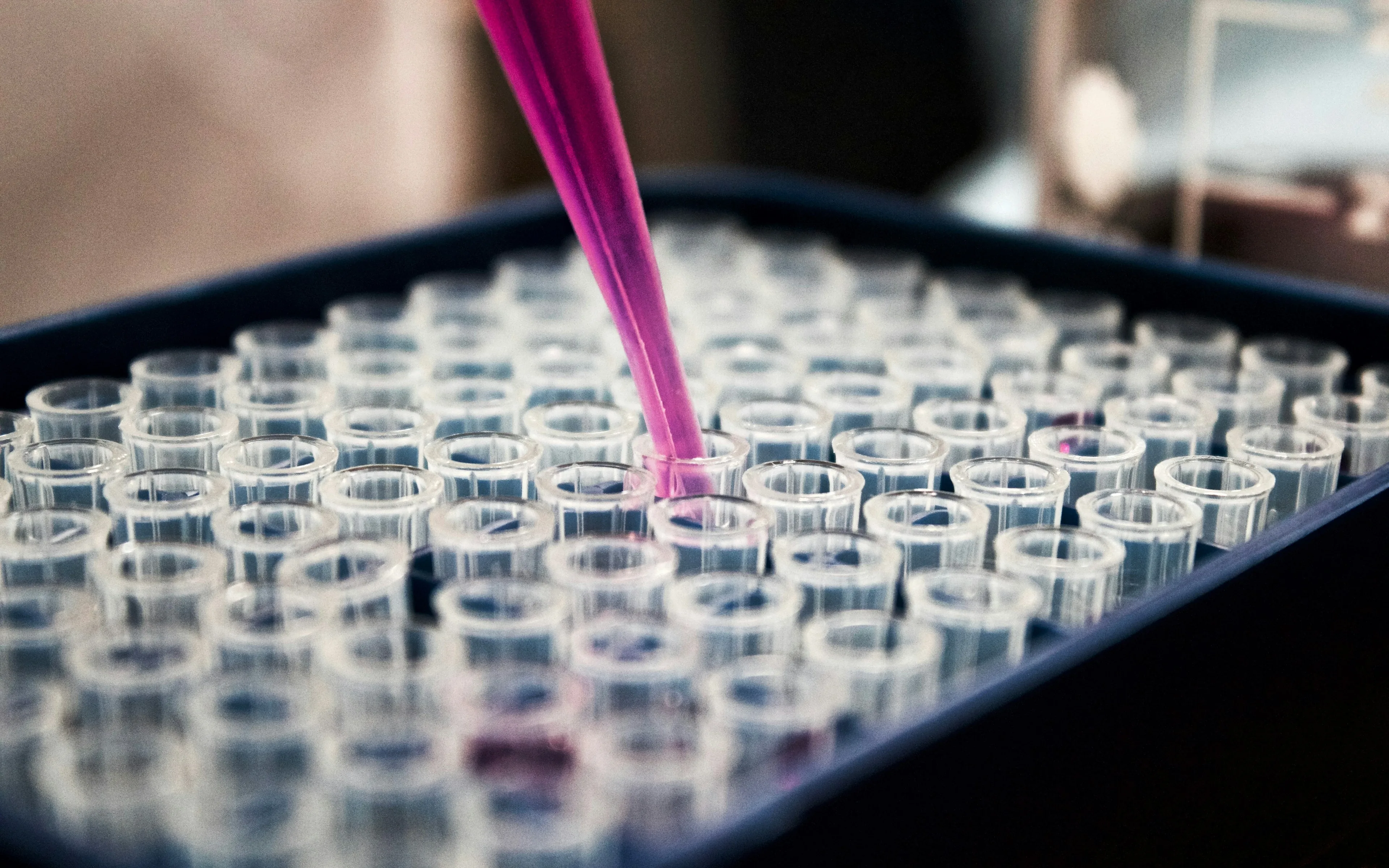
02ChemicalsFeedstocks, synthesis, toxicity, and emissions.

03PackagingPPWR, formats, barriers, transport, and recovery.

04TextilesFibers, dyes, finishing, and circularity.
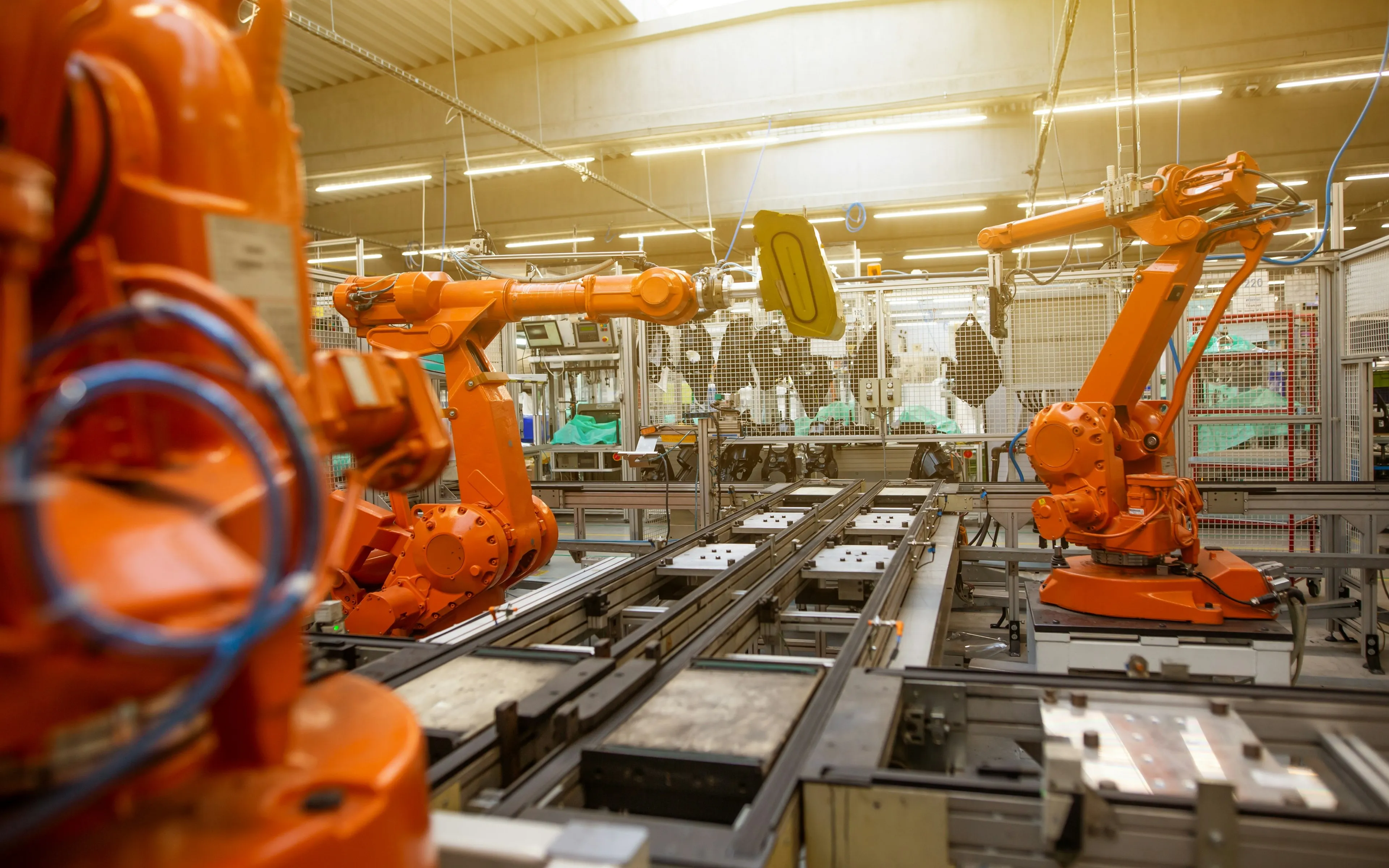
05ManufacturingProcesses, energy, and production systems.

06ElectronicsComponents, supply chains, and energy use.

07Consumer goodsMaterials, use patterns, and end of life.

08Construction materialsEPD, LEED, concrete, metals, insulation, and durability.
Ecosystem
Built alongside science, industry, and innovation.








Leadership
The disciplines LCAi needs. Under one roof.
Our founding team combines environmental engineering, materials science, industrial ecology, and multi-agent AI systems to make rigorous LCA operational.
01 / CEO

Environmental engineer specializing in Life Cycle Assessment, sustainable materials, and climate innovation. Ohad leads LCAi’s company and market strategy.
Enterprise partnershipsClimate strategy
02 / CTO

AI systems researcher and product builder with experience across computer vision, LLMs, and agent architectures. Ilan leads LCAi’s technology and platform engineering.
Agentic AICloud solutionsProduct architecture
03 / CPO

Polymer and energy researcher with R&D experience across circular materials, recycling, packaging, and industrial ecology. Amir leads product and methodology.
LCAPolymer EngineeringProduct Management
FAQ
Questions teams ask before starting.
Short answers on method, timelines, cost, DPP readiness, and Scope 3. For the full set, see the LCA FAQ.
What is Life Cycle Assessment (LCA)?
Life Cycle Assessment (LCA) is a systematic method for quantifying a product’s environmental impacts across its life cycle—from raw materials through manufacturing, use, and end of life. Studies structured to ISO 14040 and ISO 14044 cover inventory, impact assessment, and interpretation so carbon footprint and other burdens stay reviewable.
How does automated LCA work with AI?
LCAi Autopilot—our agentic system—runs inventory matching and impact calculation end to end while keeping the ISO four-phase structure intact. Components are mapped to recognized LCI databases such as ecoinvent, impacts are calculated with established, peer-reviewed LCIA methods, and critical assumptions stay visible for human validation.
How long does an automated LCA take?
A typical LCAi product study is generated in minutes, compared with months for many consultant-led assessments. Complexity, data readiness, and review needs determine total turnaround.
How much does automated LCA cost compared to traditional methods?
LCAi is typically over 90% lower cost than traditional consultant-led product LCA studies, while preserving an ISO-aligned, reviewable workflow. Exact pricing depends on product complexity and portfolio volume.
Is automated LCA accurate and reliable?
Reliability comes from method, not shortcuts: recognized LCI databases, established LCIA methods, transparent system boundaries, and human validation where assumptions affect risk. Studies are structured to ISO 14040/14044 requirements; critical review remains a distinct step where required.
What is the Digital Product Passport (DPP) and how does LCA relate to it?
Under the EU Ecodesign for Sustainable Products Regulation (ESPR), a Digital Product Passport (DPP) is a structured digital record of a product’s sustainability and circularity information. LCA provides the quantitative environmental evidence—such as carbon footprint—that disclosure and DPP-ready workflows depend on. Related regimes such as CBAM also increase demand for defensible product-level data.
Can automated LCA handle Scope 3 emissions calculations?
Yes. Product LCA quantifies upstream and downstream burdens that map to Scope 3 categories in GHG Protocol-style reporting, giving teams product-level carbon footprint detail that corporate inventories often lack. Cradle-to-grave models are especially useful for supply-chain hotspots.
Start with one product
Put your first product on Autopilot.
Request a focused conversation for sustainability, product, compliance, partnership, or investment teams.
Contact Us
Your message has been sent successfully!
Error sending message. Please try again.